

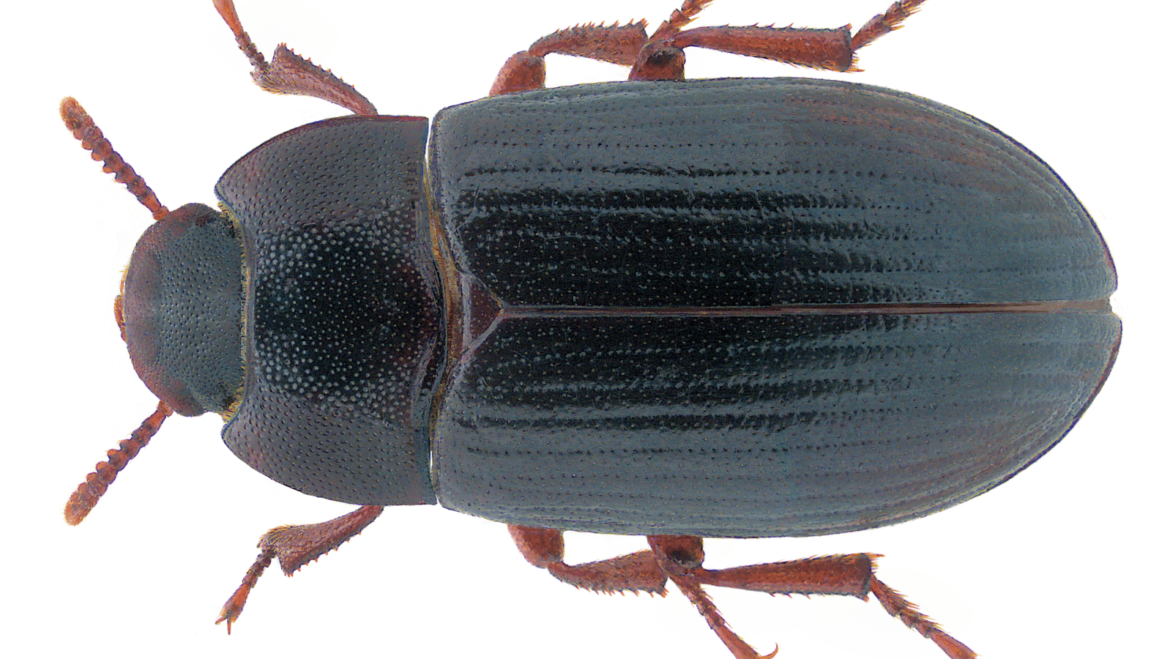
What is the Glow-worm?
The Glow-worm is a species of beetle that is found all over the world. It is a small insect that is often found in flour and other food products, hence its name.
Biology and life cycle of the Glow-worm
The shiny mould fungus develops through a life cycle that includes eggs, larvae, pupae and adult insects. Its ability to reproduce quickly and survive in various conditions makes it particularly resistant to control attempts.
Importance of the Glow-worm
The Glow-worm plays an important role in the ecosystem as a saprophagous organism, contributing to the decomposition of organic matter. In agriculture, however, it can become a pest, destroying crops and stored food products.
The Glow-worm and agriculture
In agriculture, the Glow-worm can cause economic damage by destroying crops and stored food products. This is particularly problematic in poultry farming, where these insects can colonise chicken coops. Disinfecting chicken coops is a key method of controlling the Glow-worm population.
Control of the Glow-Worm
Effective management of the Glow-Worm population requires a combination of different strategies, including biological, chemical and cultural methods. Education and awareness are key to the successful control of this pest.
Summary
The silverfish is a fascinating insect with an important role in our ecosystem, but it can also be a challenge for agriculture. Understanding its biology and impact on agriculture and disinfestation measures is key to its effective control.
Frequently asked questions
What is Alphitobius diaperinus (the lesser mealworm) and how can it be identified?
Alphitobius diaperinus, also called the lesser mealworm, is a small beetle found worldwide. It is often encountered in flour and other food products.
What is the life cycle of the lesser mealworm and how fast does it reproduce?
Its life cycle includes eggs, larvae, pupae, and adult insects. It reproduces quickly and can survive in various conditions, which makes control difficult.
Where is the lesser mealworm most commonly found (stored products, poultry houses)?
It is commonly found in flour and other stored food products. In agriculture, it can also colonise poultry houses such as chicken coops.
Why is Alphitobius diaperinus considered a pest in agriculture and poultry farming?
In agriculture it can cause economic losses by destroying crops and stored food products. In poultry farming it is especially problematic because it can infest chicken coops.
What are effective control methods for the lesser mealworm (biological, chemical, and cultural)?
Effective control requires combining strategies such as biological, chemical, and cultural methods. Education and awareness are also important for successful management.
How can disinfecting chicken coops help reduce lesser mealworm infestations?
Disinfecting chicken coops is described as a key method to control the lesser mealworm population. It helps reduce infestations where the insects colonise poultry housing.


