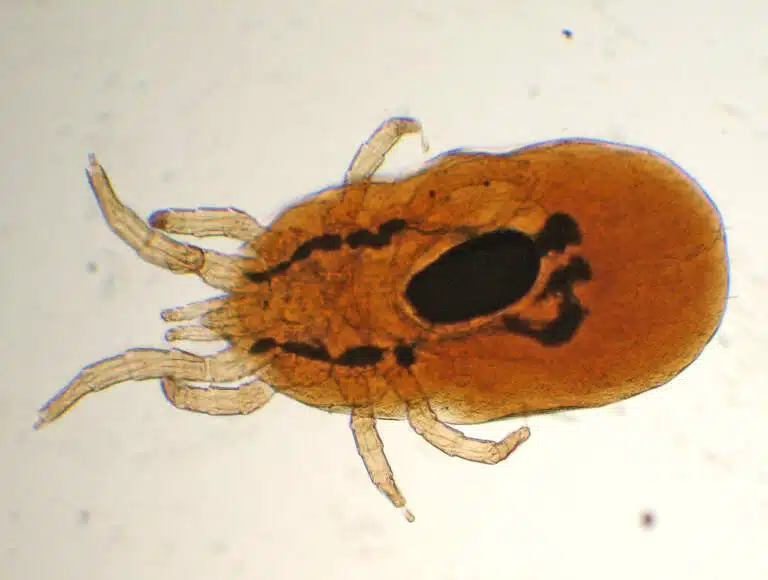
The transformation process of beetles
Beetles undergo a complete transformation process, which is a key element of their life cycle. It starts with an egg, which the female beetle lays in suitable places, such as soil, leaves or wood, depending on the type of beetle. The egg hatches into a larva – the larval stage can last from a few weeks to several years, depending on the species. Beetle larvae can vary greatly in appearance and lifestyle – some are predators, others are herbivores or saprophages, feeding on dead organic matter.
After the larval stage, the pupa stage follows, during which the beetle undergoes intensive changes. Inside the pupa, the characteristic features of the adult insect gradually develop, such as hard protective covers and a fully formed mouthparts. After this stage, the mature beetle is able to reproduce. The transformation process may vary between species, but it is always a fascinating testimony to the extraordinary diversity and adaptability of beetles.
Characteristic anatomical features of beetles
The characteristic anatomical features of beetles are the elements of their structure that enable them to survive and adapt in a variety of environments. The most important anatomical features of beetles are:
- Mouthparts – beetles have biting mouthparts with clearly developed mandibles that allow them to crush food. This feature is crucial for their ability to process a variety of food sources, from leaves and wood to other insects and organic matter.
- Elytra – the hard, horny elytra are characteristic of adult beetles and protect the delicate flight wings underneath. The elytra not only protect against mechanical damage, but also help with moisture retention, which is crucial for survival in dry environments.
- Segmented body – the body of a beetle is divided into three main segments: head, thorax and abdomen. Each segment has specific functions, e.g. the thorax contains three pairs of movable legs that enable efficient movement, and the abdomen contains most of the internal organs.
- Compound eyes – the eyes of beetles consist of many ommatidia, which provide a wide field of vision and help to detect movement, which is important both for obtaining food and avoiding predators.
- Various colours and patterns – depending on the species, beetles can have extremely diverse colours and patterns on their elytra, which serve to camouflage them, warn them of predators or attract mates for reproduction.
Thanks to these unique anatomical features, the beetle can adapt effectively to different environmental conditions, making it one of the most diverse and widespread orders of insects on Earth.
Frequently asked questions
What are the main stages of a beetle’s life cycle (complete metamorphosis)?
Beetles undergo complete metamorphosis: egg, larva, pupa, and adult. The female lays eggs in suitable places such as soil, leaves, or wood depending on the species.
How long does the larval stage last in beetles, and what does it depend on?
The larval stage can last from a few weeks to several years. Its length depends on the beetle species.
What is the difference between a beetle larva and a pupa?
The larva is an active feeding stage and can have very different lifestyles, such as predatory, herbivorous, or saprophagous. The pupa is a transformation stage where the adult features develop inside, including hard protective covers and fully formed mouthparts.
What are elytra, and what do they protect?
Elytra are the hard, horny covers characteristic of adult beetles. They protect the delicate flight wings underneath.
What do beetles eat, and how do their mouthparts help them feed?
Beetles can feed on leaves, wood, other insects, and organic matter, depending on the species. Their biting mouthparts with strong mandibles help them crush and process different types of food.
How do beetles’ anatomical features help them survive in different environments?
Features like biting mouthparts, protective elytra, a segmented body, compound eyes, and varied colours/patterns help beetles feed, move, detect movement, and avoid predators. Elytra also help retain moisture, which supports survival in dry environments.