

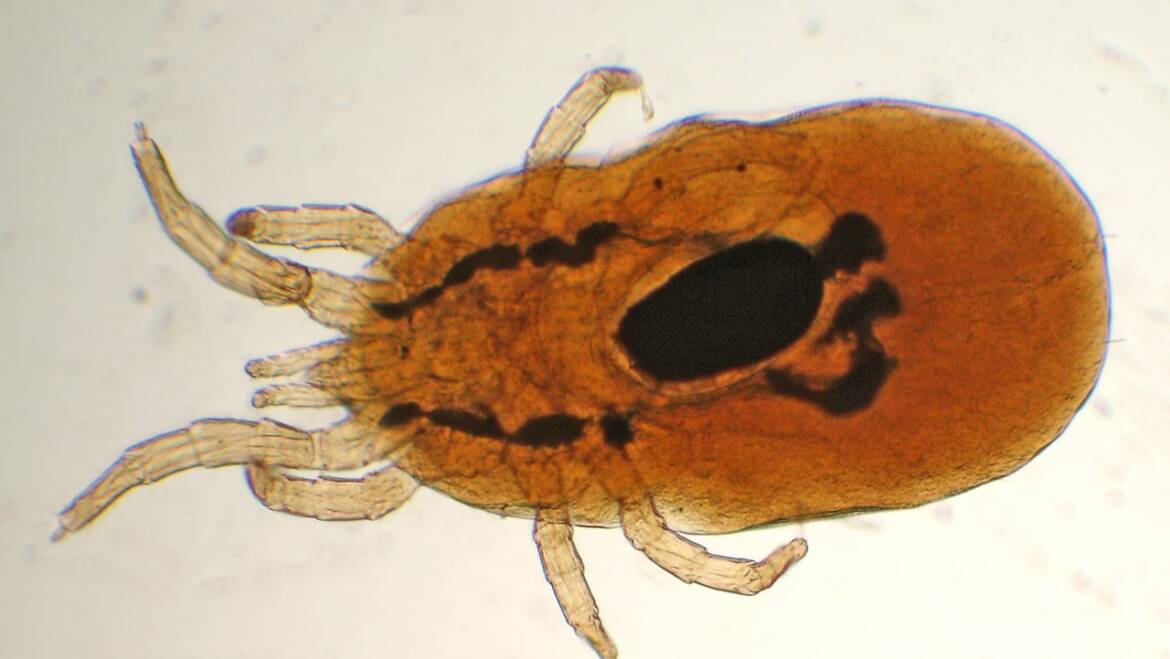
What is poultry mite?
Chicken mite, also known as Dermanyssus gallinae, is a microscopic mite that infests poultry. Although the main host is chickens, it can also attack other bird species. It is characterised by its reddish colour and oval shape, usually active and visible at night.
The life cycle of chicken mite
The life cycle of chicken mite consists of five stages: egg, larva, protonymph, deutonymph and adult mite. The whole cycle can last from a few days to a few weeks, depending on environmental conditions. The most harmful stages for poultry are the deutonymph and adult mite stages.
Symptoms of chicken mite infection
The chicken mite is a haematophagous parasite, which means it feeds on the blood of poultry. Symptoms of infection can include anaemia, weight loss, decreased egg production and increased susceptibility to disease. In extreme cases, chicken mite infestation can lead to the death of the birds.
Diagnosis and identification of chicken bot
Identifying chicken bot requires a careful examination of the birds and their environment. It can be identified with a microscope by looking for the typical oval shape and reddish colour. Regular checks are essential for early detection and effective management of the infestation.
How to deal with chicken mites: prevention and control
Preventing chicken mite infestation is all about maintaining cleanliness and proper hygiene in the place where poultry is kept. Regular cleaning and disinfection of the henhouses, as well as the control and isolation of new or returning birds, are crucial. Chemicals can be used in case of infestation, but this should always be done responsibly, taking into account the health of the birds and the potential impact on the environment.
The impact of chicken mites on the poultry industry
Infestations of chicken mites can seriously affect the poultry industry, causing financial losses due to reduced egg production, weight loss of birds and higher treatment costs. Therefore, ongoing research and innovation are essential to find effective and sustainable methods of controlling this pest. Disinfection of chicken coops should be carried out regularly.
Summary
Chicken red mite is a serious challenge for poultry farmers all over the world. Understanding its biology, identification and control methods is crucial for maintaining a healthy and productive flock. Remember to always act responsibly and consult a professional if you have any doubts or are dealing with a serious infestation. Only use professional pest control companies for pest control.
Frequently asked questions
What is the difference between chicken mites, chicken lice and chicken fleas?
The article focuses on chicken red mite (Dermanyssus gallinae), a microscopic, blood-feeding parasite of poultry. It does not describe chicken lice or chicken fleas, so it does not provide specific differences between these pests.
How can I tell if my chickens have a red mite infestation?
Signs can include anaemia, weight loss, decreased egg production, and increased susceptibility to disease. For confirmation, examine the birds and their environment and identify mites under a microscope by their oval shape and reddish colour.
Where do chicken mites hide in the coop and when are they most active?
The article notes that chicken mites are usually active and visible at night. It does not specify exact hiding places within the coop.
How fast does the chicken mite life cycle progress and how quickly can an infestation spread?
The life cycle has five stages (egg, larva, protonymph, deutonymph, adult) and can take from a few days to a few weeks depending on environmental conditions. Because the cycle can be very short, infestations can build up quickly if not detected early.
What are the safest and most effective ways to control chicken mites in a coop?
Prevention is based on cleanliness and hygiene: regular cleaning and disinfection of henhouses, plus controlling and isolating new or returning birds. Chemicals may be used during infestations, but should be applied responsibly with regard to bird health and environmental impact.
When should I contact a professional pest control company for chicken mites?
If you have doubts about identification or are dealing with a serious infestation, the article recommends consulting a professional. It also advises using professional pest control companies for pest control.


