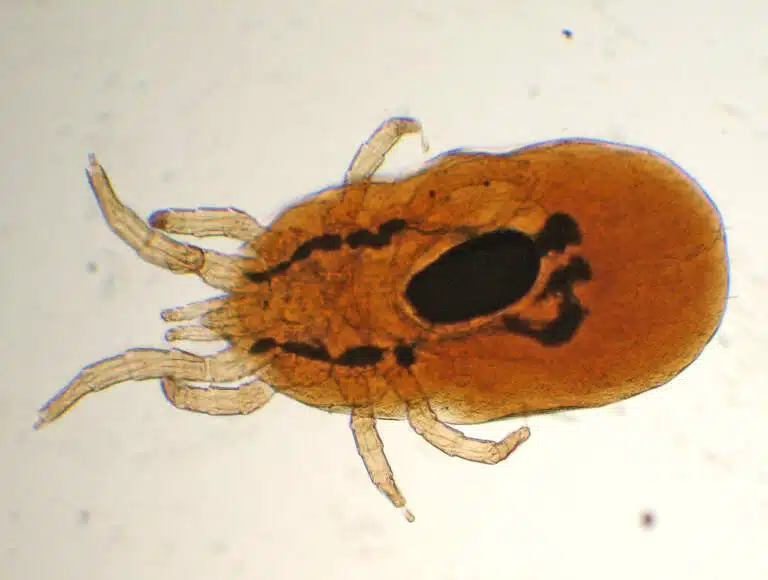
Morphological structure of spiders
The morphological structure of spiders is characterised by two main parts of the body: the prosoma (cephalothorax) and the opisthosoma (abdomen). The prosoma contains all the important organs and the legs, which enable the spider to adapt to its environment in many ways. A spider has eight walking legs and chelicerae, which are used for defence and hunting. In some species, such as jumping spiders, the legs are more developed, allowing them to jump long distances in search of prey. The opisthosoma is a soft, flexible part that allows breathing and digestion. It also contains spinning glands, responsible for the production of the web.
Spiders have a diverse morphological structure, which allows them to live in different ecosystems:
- Maxillipeds – equipped with venom glands, they help in defence and food gathering.
- Legs – different species may have legs adapted for digging, jumping, swimming or climbing.
- Sensitive hairs – located on the body, they help to sense vibrations and movements around the spider.
- Eyes – spiders have between one and eight eyes, depending on the species and lifestyle.
- Spider glands – enable the construction of webs with different structures, from fishing nets to protective cocoons.
These diverse characteristics allow spiders to adapt effectively to different environments, from caves to treetops.
Systematics of arachnids
The taxonomy of spiders (Araneae) is complex and includes many suborders and families, which are characterised by a variety of morphological features and adaptations. Spiders are mainly divided into two suborders: Mesothelae and Opisthothelae. The Mesothelae is a primitive suborder with only one family, Liphistiidae, which contains species of spiders with a basic spider web. The Opisthothelae is a much more diverse suborder, which is divided into two infraorders: Mygalomorphae and Araneomorphae.
Mygalomorphae includes families such as Theraphosidae (tarantulas) and Ctenizidae (burrowing spiders), known for their massive bodies and strong chelicerae. Araneomorphae is the most developed infraorder, containing most of the known spider species. Examples of families are Araneidae (daddy longlegs), known for their complex web-building, and Salticidae (jumping spiders), characterised by their excellent eyesight and jumping ability. The systematics of spiders shows how diverse this animal group is, occupying various ecological niches all over the world.
Spider circulatory and respiratory systems
Spiders have an open circulatory system, which means that the haemolymph, which acts as the blood, is not stored in blood vessels but flows freely between the tissues. The spider’s heart, located in the opisthosoma, pumps the haemolymph through the aorta into the prosoma, from where it is distributed to the rest of the body. In addition to transporting oxygen and nutrients, haemolymph also plays a role in regulating internal pressure, enabling the spider to move its legs effectively.
The respiratory system of spiders is equally interesting. Spiders breathe using lung sacks, also known as book lungs, which are located in the opisthosoma. These structures consist of many overlapping thin plates, between which the haemolymph circulates. In addition, most spiders have tracheae, which are a system of tubes that distribute oxygen directly to the tissues. The combination of these two systems enables spiders to breathe effectively in a variety of environments, both above and below ground, supporting their ability to adapt to different ecosystems.
Frequently asked questions
What are the main body parts of a spider (prosoma and opisthosoma)?
A spider’s body has two main parts: the prosoma (cephalothorax) and the opisthosoma (abdomen). The prosoma contains key organs and the legs, while the opisthosoma is a soft, flexible part responsible for breathing and digestion and also contains the spinning glands.
How many legs and eyes do spiders have?
Spiders have eight walking legs. Depending on the species and lifestyle, they can have between one and eight eyes.
What are chelicerae and what are they used for?
Chelicerae are mouthparts used for defence and hunting. The article notes that they are equipped with venom glands that help in defence and food gathering.
What is the difference between Mesothelae and Opisthothelae?
Mesothelae is a primitive suborder with only one family, Liphistiidae. Opisthothelae is much more diverse and includes two infraorders: Mygalomorphae and Araneomorphae.
How do spiders breathe (book lungs vs tracheae)?
Spiders breathe using lung sacks (book lungs) located in the opisthosoma, made of thin overlapping plates where haemolymph circulates. Most spiders also have tracheae—tubes that deliver oxygen directly to tissues.
What is hemolymph and how does a spider’s circulatory system work?
Hemolymph is the spider’s blood-like fluid in an open circulatory system, meaning it flows freely between tissues rather than staying in vessels. The heart in the opisthosoma pumps it through the aorta into the prosoma, distributing it through the body and helping regulate internal pressure for leg movement.